
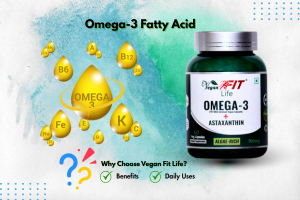
Omega-3 Fatty Acid: View Uses, Side Effects and Medicines
Omega-3 fatty acids are essential nutrients that play a crucial role in maintaining overall health. Since the human body cannot produce Omega-3 on its own, it must be obtained through diet or supplements. Omega-3 is widely used for supporting heart health, brain function, joint mobility, and general wellness.
Vegan omega-3 fatty acids are commonly found in fish oil, plant-based sources, and dietary supplements. Due to modern eating habits, many people do not get enough Omega-3 from food alone, making supplements an effective option.
What Is Omega-3 Fatty Acid?
Omega-3 fatty acids are a group of healthy fats that include:
- EPA (Eicosapentaenoic Acid) – supports heart health and reduces inflammation
- DHA (Docosahexaenoic Acid) – supports brain, eye, and nervous system health
- ALA (Alpha-Linolenic Acid) – a plant-based Omega-3 converted into EPA and DHA in small amounts
EPA and DHA are mainly found in fish oil and marine sources, while ALA comes from plant foods like flaxseeds and walnuts.
Uses of Omega-3 Fatty Acid
Omega-3 fatty acids are widely used for multiple health benefits, including:
Heart Health
- Helps maintain healthy cholesterol levels
- Supports proper blood circulation
- Reduces triglycerides
Brain and Mental Health
- Supports memory, focus, and cognitive function
- Helps reduce stress and mood imbalance
Joint and Inflammation Support
- Helps reduce joint stiffness and inflammation
- Supports flexibility and mobility
Eye Health
- Supports retinal function
- Helps reduce digital eye strain
Skin and Hair Health
- Improves skin hydration and elasticity
- Supports healthy hair growth
Side Effects of Omega-3 Fatty Acid
Omega-3 fatty acids are generally safe when taken as recommended. However, some people may experience mild side effects, including:
- Upset stomach
- Nausea or diarrhea
- Fishy aftertaste or burping
In rare cases, high doses may increase the risk of bleeding. Always follow the recommended dosage and consult a healthcare professional if you have a medical condition or are taking medication.
Do you know about Omega-3 Supplements: Everything You Need to Know? Omega 3 supplements have become one of the most widely recommended nutritional additions for maintaining overall health.
Omega-3 Fatty Acid Medicines and Supplements
Omega-3 fatty acid medicines and supplements are available in different forms, such as:
- Fish oil capsules
- Liquid Omega-3 oil
- Algal oil (plant-based Omega-3)
- Prescription Omega-3 medicines for triglyceride management
These products are commonly used as supportive therapy for heart health and overall wellness. Always choose high-quality, tested products from trusted brands.
Recommended Dosage and Safety Tips
- Typical daily intake ranges from 250–500 mg of EPA and DHA combined
- Take Omega-3 supplements with meals for better absorption
- Do not exceed the recommended dose without medical advice
- Pregnant women and people on blood-thinning medication should consult a doctor before use
Conclusion
Omega-3 fatty acids are essential for maintaining a healthy heart, brain, joints, eyes, and skin. With proven benefits and wide availability, Omega-3 supplements and medicines play an important role in modern preventive healthcare.
Including Omega-3 fatty acids in your daily routine through diet or supplements can support long-term wellness and improve overall quality of life.